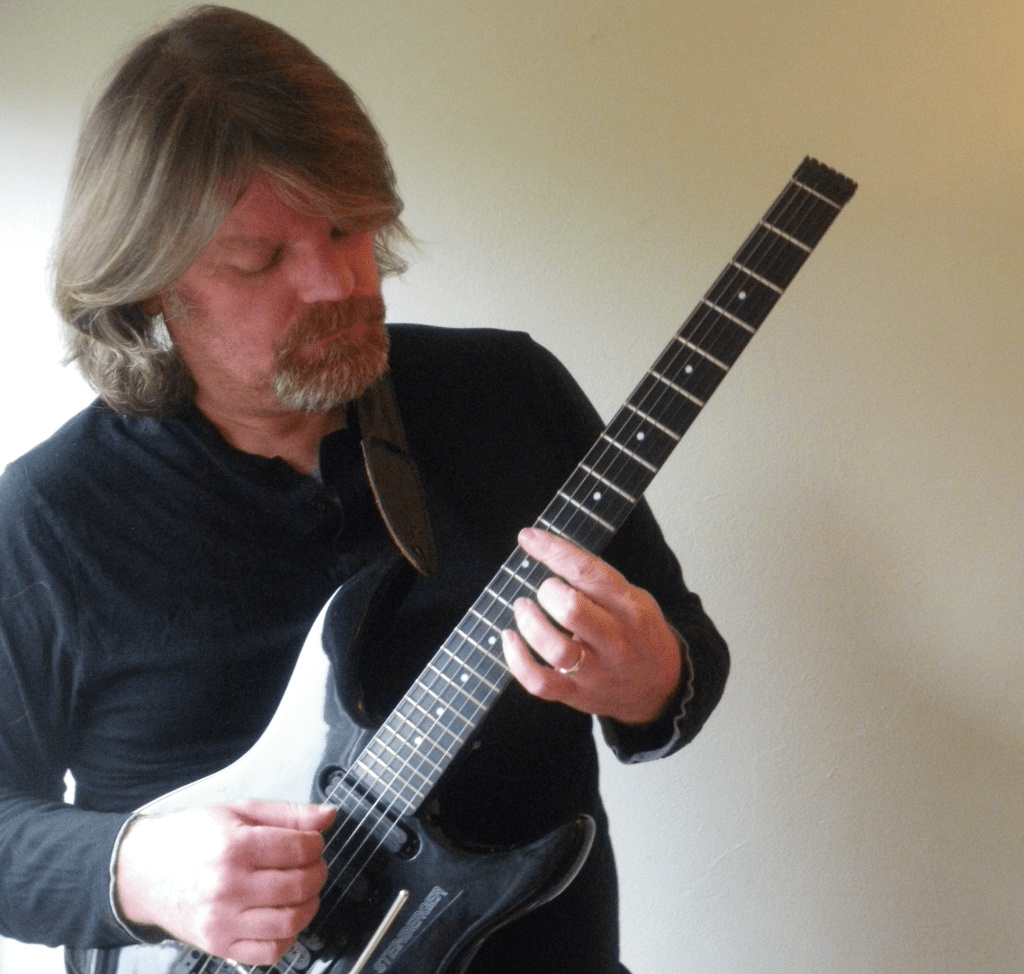
So, classical guitar was a thing of the past for me. It didn’t mean that those skills wouldn’t come in handy over the years. I had built up a solid technique that could be applied in other kinds of guitar styles, but for now, that would have to remain in the muscle memory.
The year was 1991 and luckily for me something would simply turn up out of nowehere that would occupy me for the next 15 years or so.
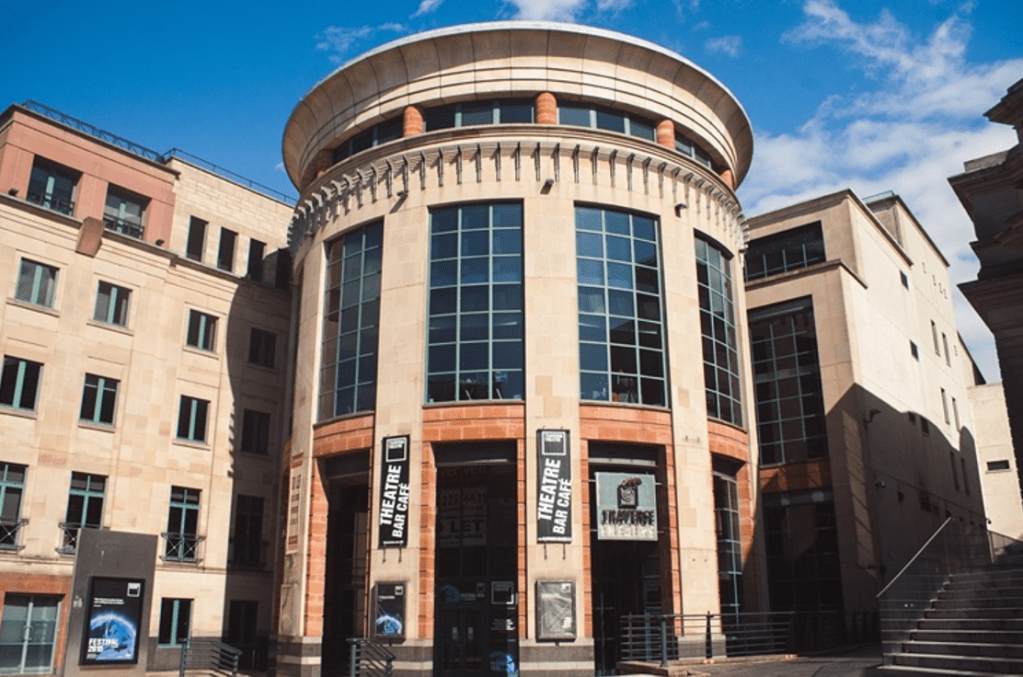
In the summer of 1991 I was asked by the director/actor Andrew Farrell (then Assitant Director at the Traverse Theatre, Edinburgh) to write some music for a production of The Struggle Of The Dogs And The Black by Bernard-Marie Koltes. I was delighted, of course – it would be first real ‘professional’ music job.
I can remember recording some mbira, bells, drums and voices, and mixing it all up on my TASCAM 4 track. I also had an old Yamaha rackmount effects unit that was used for reverbs and what-not. I think the music was cued up on Revox for the show, having been bounced down off my cassette master. I can’t be sure, but that was the tech back in the day. We moved on to using DAT and Mini-Discs eventually as the 90s rolled on.
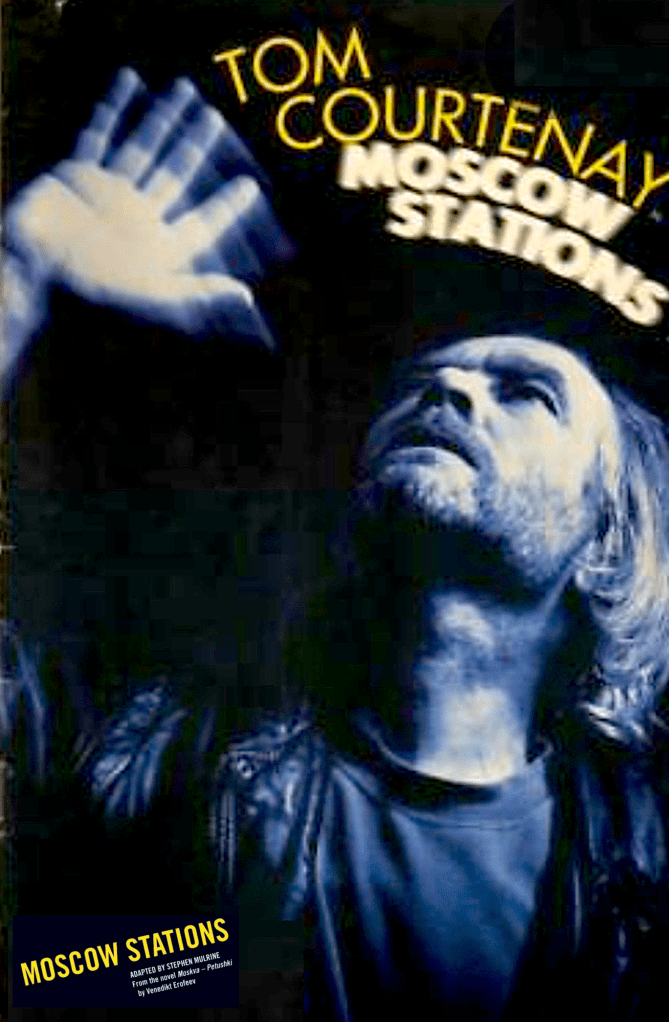
After Andy’s show, I then worked on 20 shows at the Traverse (mostly with the directors Ian Brown, Philip Howard and John Tiffany) and subsequently worked at all the main theatres in Scotland. Several of the Traverse shows transferred ‘down south’ to England: Trainspotting (the original stage production. before the film), Unidentified Human Remains and the True Nature of Love and Poor Super Man (Brad Fraser), Reader (Ariel Dorfman) and Moscow Stations (Venedikt Yerofeev). The latter moved on to become an Off-Broadway show – but closed after a few weeks. I don’t think the New York audience wanted to watch a one man show (starring the great Tom Courtenay) about a hallucinating, destitue, drunken Russian in the mid 90s!
I loved working in the theatre, there is no other arts environment that ‘embraces’ you in the way that theatre does. Directors, actors, designers (both lighting and stage), technical crews – all great, fun people to be hanging around with. And I got paid for doing all this, too!
Interlude 2:
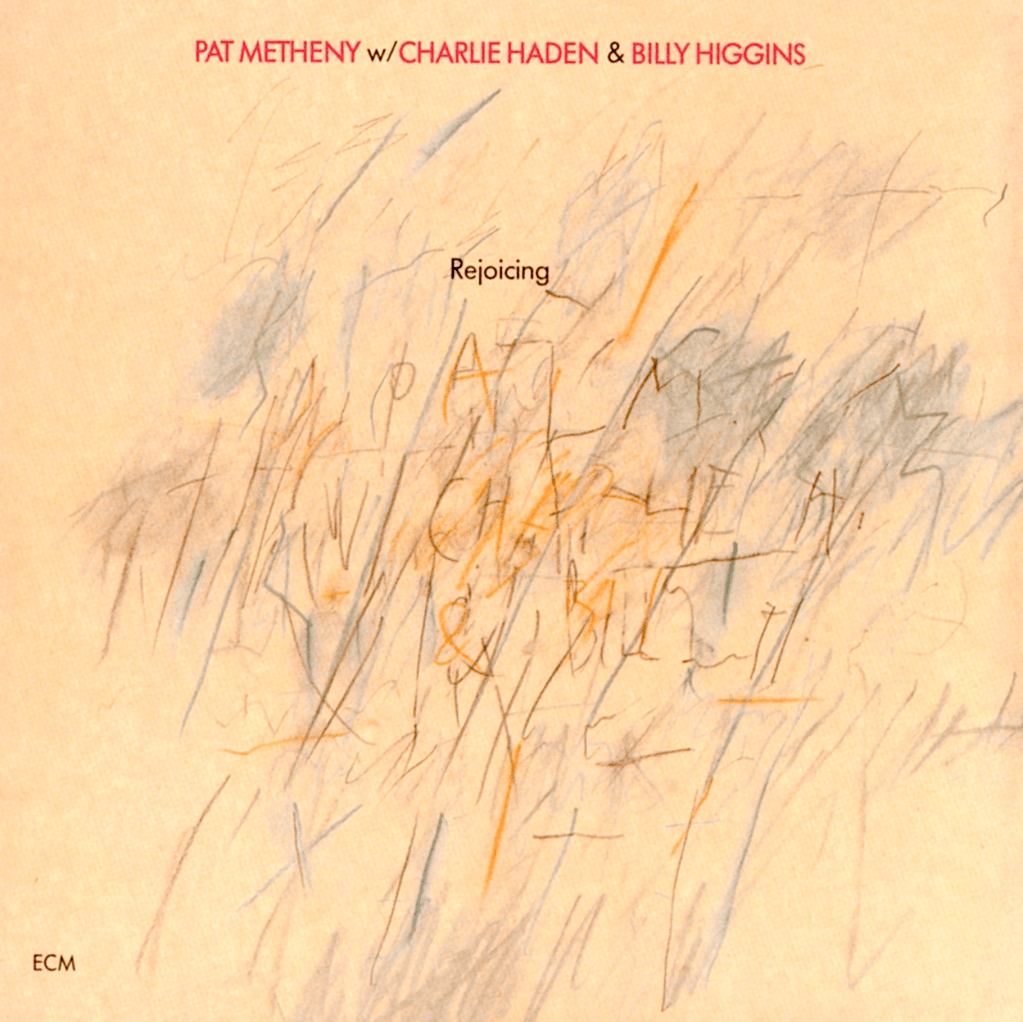
Listening again to Pat Metheny’s fantastic trio album Rejoicing with Billy Higgins and Charlie Haden, I found a track that I still think as having the greatest guitar solo ever recorded on it. It’s a tune called ‘Story From A Stranger’. An elusive, mystical song that perfectly captures the Pat Metheny aesthetic – with a synth guitar solo that can bring you to tears.
https://www.youtube.com/watch?v=zUzJRf72aYg
1991 was also the year I started up a little fusion band called ‘Oppenheimer’s Hat’. This was important as it marked the first time I would compose music in a jazz-rock style. The band was essentially a rehearsal band, playing my own compositions and some covers by Pat Metheny, Larry Carlton and John Scofield et al. However, we did make a splash at the Glasgow Jazz Festival that year, and would have done so the next year too, but for one member who booked his summer holidays over the dates we’d been offered. I did try to get a dep, but they bailed on me a few days before the gigs. Very embarassing all round, and was catalystic in me wanting to ‘do things on my own’.
So, in 1992 I enrolled on the Music Composition PhD course at The University of Edinburgh. I would be studying with the composer Nigel Osborne, who was a well known (in the right circles!) British composer. He worked a lot with the Ballet Rambert and had married an actress – so we would often spend my tutorials talking about theatre rather than music!
My first few years on the Post-Grad course seemed to have a step learning curve built in. Nevertheless, I began to immerse myself in 20th century post-war music: Messiaen, Boulez, Stockhausen, Maderna, Nono, Grisey, Murail, Lutoslawski and… well the end is listless, as we say. I read as much as I could, studied as many scores as possible, relearnt things I had learnt incorrectly, tried out things, failed, suceeded, failed again. It basically went on like this for several years until I began to get the hang of things. I got some pieces played here and there, abroad sometimes, too. Here are some examples of where things were going at the time:
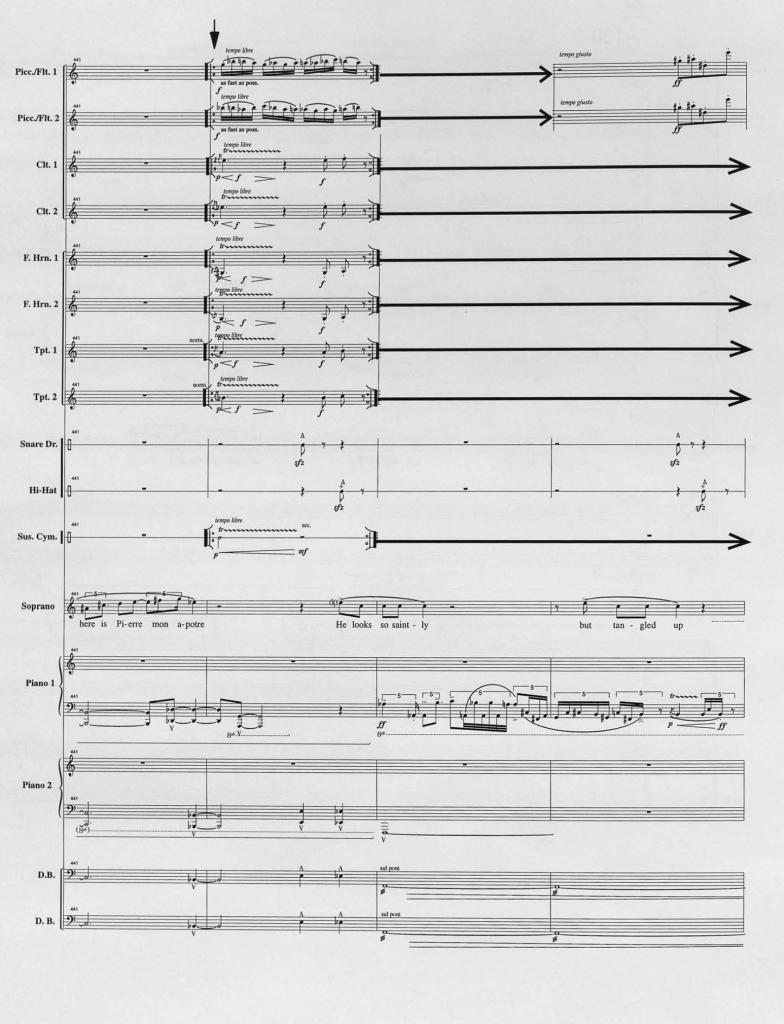
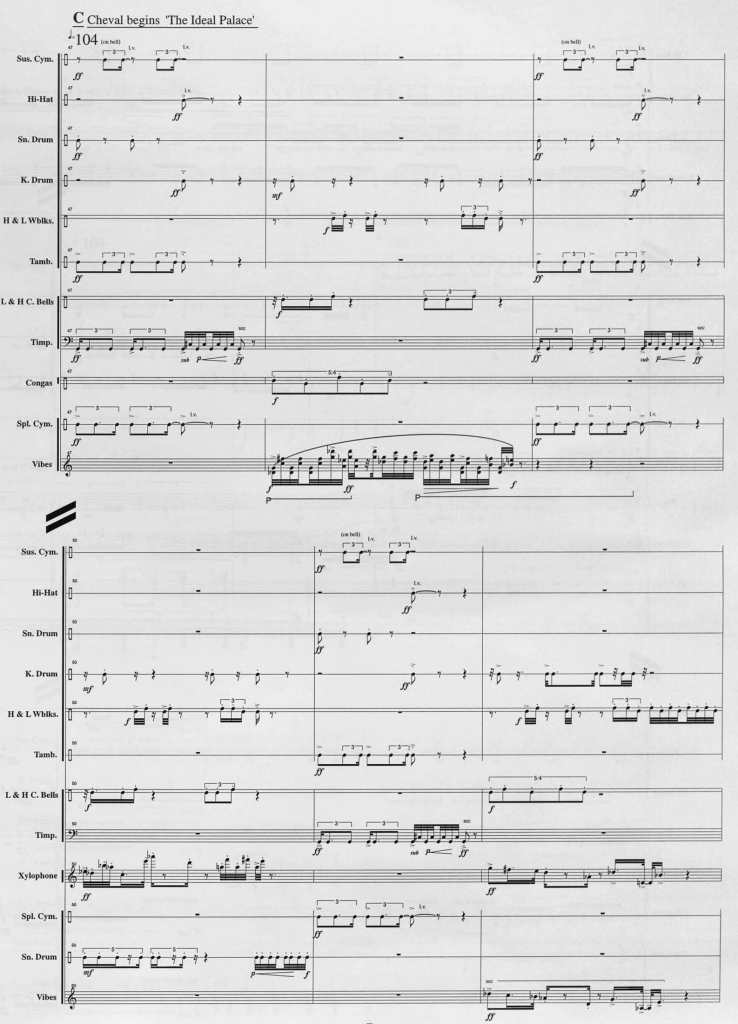
I graduated in 1999 and became ‘Dr. Irvine’, at last! I often blame the length of time it took to complete my doctorate on the fact that ‘refreshing the screen’ (remember that?) would take so long on the Finale score print-out programme that it essentially added about 3 years of waiting around to my studies!
However, the doctorate did allow me to get some good teaching work – variously at St Mary’s Music School, Edinburgh College, Napier University, and The City Of Edinburgh Music School. I taught some classical guitar, ear training, harmony, composition, A-level, Standard grade, Higher, AMusTCL, music technology… etc, anything people wanted really.
My attitude towards contemporary music these days is one of ambivalence. It’s not a very ‘sustaining’ scene. As Zappa once put it: “For FIRST performance, read LAST performance.” So true.
One issue is that because the music is so difficult, that it takes many rehearsals (ie. money) to make it go. And then, after that, an audience is required to recoup that money. Very tricky to do. And nowadays, you’re up against alot of forms of entertainment that want your attention. In a way, a classical concert demands much from today’s listener – sit still, be quiet, don’t play with your phone! Clearly, the supply far outweighs the demand. Probably why it is sometimes termed ‘Academic Music’ – it lives in the university. Some countries are prepared to fund the culture, others not. Mainland Europe appears to have the advantage in this respect.
I still listen to it a lot, but as a composer, my desires now lie elsewhere…
 JOHNIRVINE.CO.UK
Leave a comment