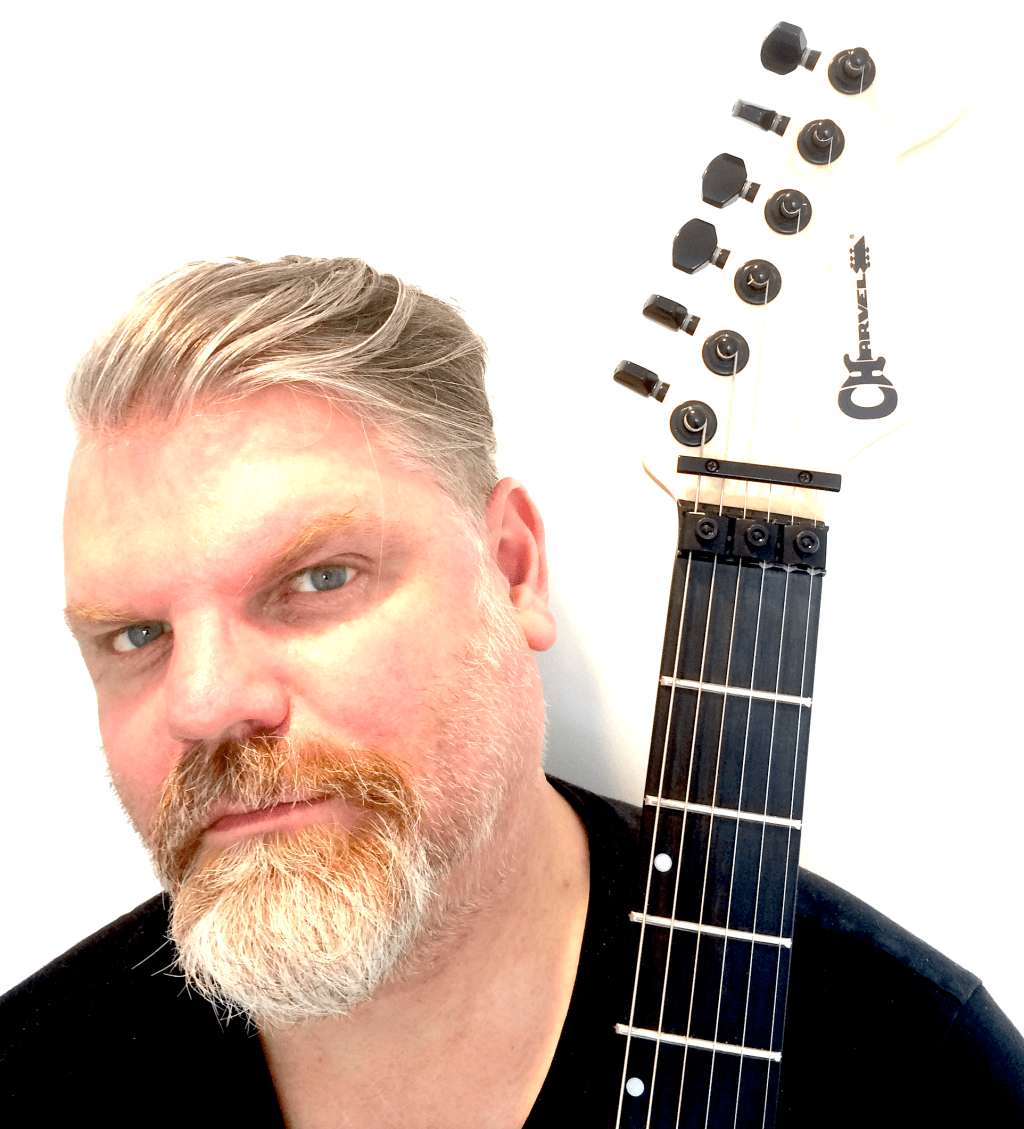
(Interlude 3)
The Pat Metheny Group covered so much ground musically – Jazz, New Age, Brazilian, Prog Rock, Avant Garde, etc. etc… It was a level of music creation that I aspired to. And though I knew I would never be the complete virtuosic improviser that PM was, I knew deep down that I had a shot at creating compositions that could be as complex and as entertaining as the PMG’s. Not in the same style – something more aggressive, more rock, more prog-oriented; still instrumental, but with that sing along quality that the best PMG stuff has. Big long melodic lines. Yeah, I could do that, maybe...
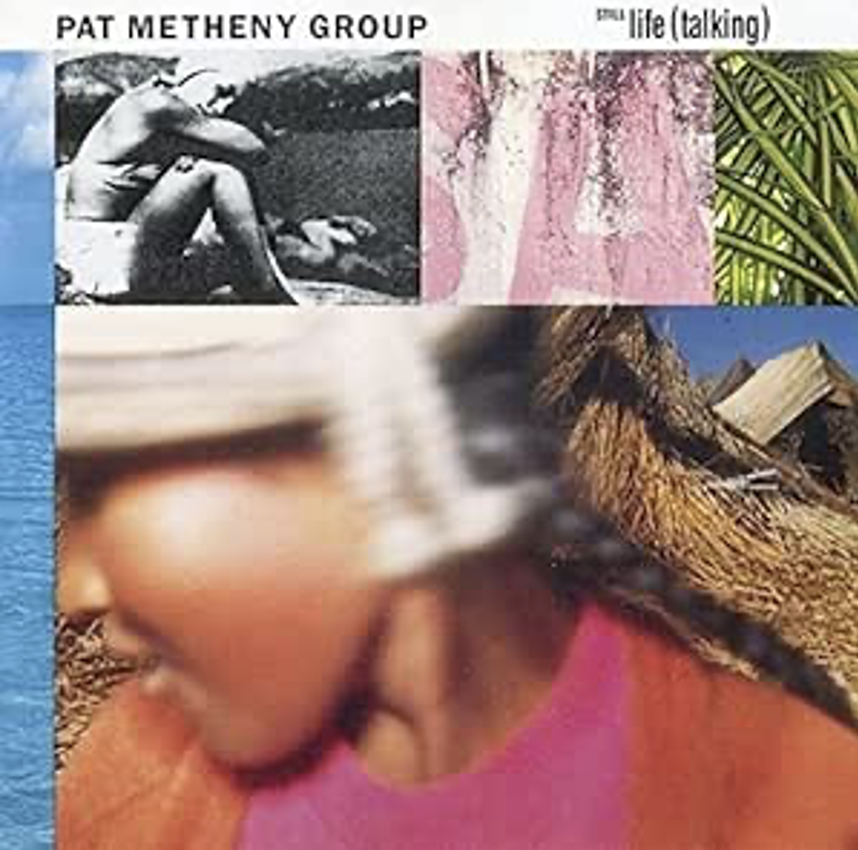
The story of getting the first JIB CD together goes something like this…
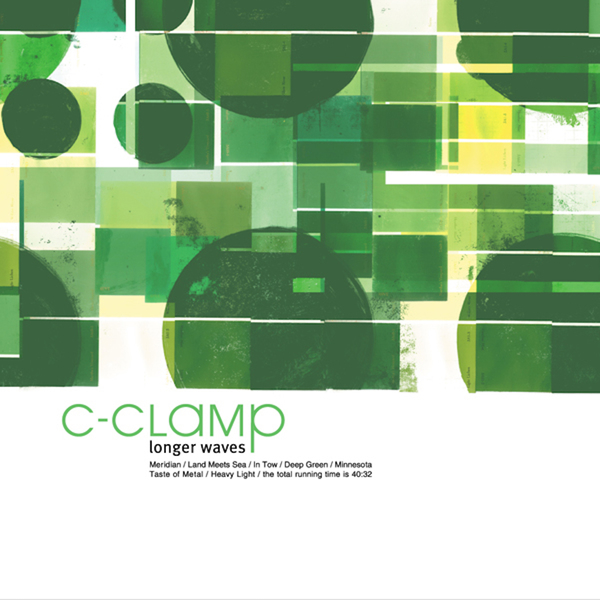
Some of you will know that I am a big fan of the slowcore band C-Clamp from Ohio, USA (you can check out their classic album Longer Waves here). But back in the day their CDs were very hard to get copies of (still are), as they were very much a cult band, small label, limited pressings etc. So I decided to get in contact with the bass player from the band, Nick Macri, and see if he had any copies for sale. I eventually managed to get hold of him online and we chatted back and forth a bit. Nick is a terrific guy and a fantastic bass player, too. He said to me: “Look, don’t pay me for the CDs, just send me one of yours, we can swap.” Well, my heart sank. I didn’t actually have any CDs I could call ‘my own’. Maybe some recordings from concerts of my classical pieces, but nothing I felt I could trade with him for the two official C-Clamp albums. It dawned on me that I didn’t have anything that represented ‘me’; I didn’t have anything that said: “This is who I am – buy a copy! It’s professionally made and everything!”; there was nothing that I could point to and say “Here you go, this is what I’ve achieved, so far.”
I knew I needed to sort that out.
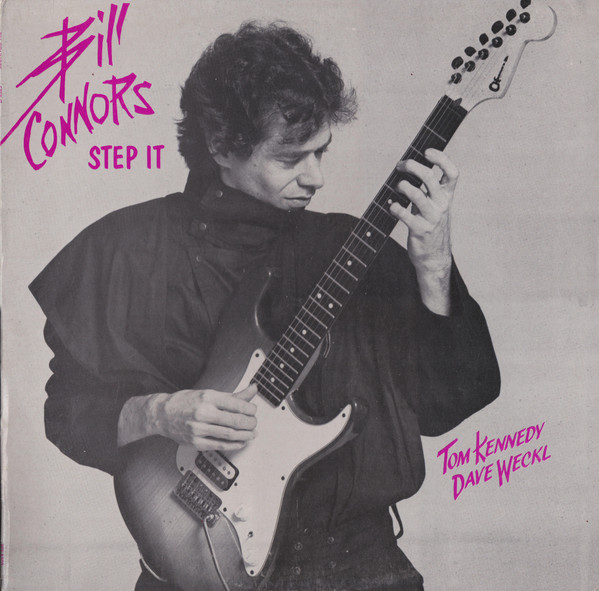
Around that time (2010-ish) I had been listening a lot to the three electric trio albums by Bill Connors from the 80s (Step It, Double Up and Assembler) and thought I would set about writing some music that could be played by a similar lineup of guitar, bass and drums. I knew Connors’ records were not ‘just’ that lineup playing together; I knew he used overdubs, so I could feasibly take that approach and maybe something good would turn out. Maybe add in a few keyboards, but nothing major (that would come later!).
It took me about a year or so, but I managed to get enough material together to make an album. We recorded the drums at Castlesound Studios, near Edinburgh, and I remember that I had the stems on my hard drive for over a year until I got up enough courage to put on the guitar and keyboard parts. I don’t know why it took that long, I didn’t feel ready, I guess. It was something I wanted get right, or at least, as right as possible.
Well, ‘Wait & See’ was released in the summer of 2011 to some acclaim, and affirmed my belief that this was a thing I could do, and maybe even excel at. It would put my music ‘out there’ in a way that hadn’t been possible before.
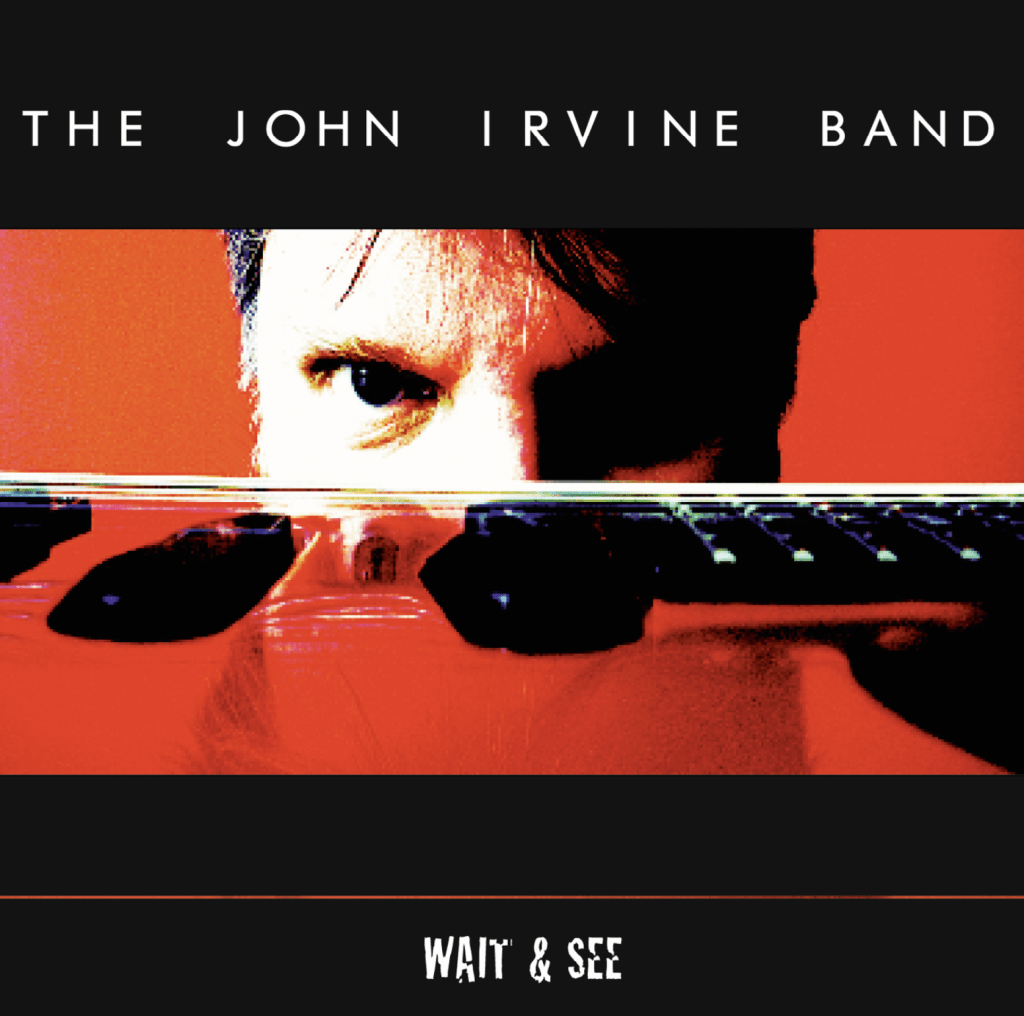
However, I found that very few ‘jazz specific’ sites and stations were interested in the album. I know several guitarists who have had similar issues – ie. “If there is no saxophone, there is no jazz”. Fair enough. And to be honest, I’m not a jazz musician anyway. My brain just does not work like that. I’m influenced by jazz, but that’s as far as it goes, really. I always think of the guitarist David Torn who once said: “Whenever I try to play something idiomatic it comes out sounding weird”. A good quote. I usually prefer to construct a solo, compose it and then play it in as few takes as possible on the album. This way I can avoid noodling (as Zappa once put it) – just find something memorable and slot it in there. And, importantly, make the solo serve the tune, not the other way around.
Since then, I have released 6 more albums and have been very lucky with the support I’ve had from all the prog radio stations, magazines and websites. They have always been very kind, and keen to play my new music, and that means a great deal to me. To have even this modicum amount of success with JIB has really been the joy of my musical life.
You can tell there is a clear Pat Metheny Group influence in a lot of my work ;). And I say ‘Group’ because I hardly ever listen to Metheny’s solo music. However, I do like the early albums like New Chautauqua and Watercolors (essentially a PMG disc) and Rejoicing but not much else. Funny, that. It just goes to show how much the collaboration with Lyle Mays makes all the difference to the overall sound of the band. It should really be called the ‘Metheny/Mays Group’, as far as I’m concerned. As I said in the other posts, the broad sweep of progressive styles in PMG make it what it is and I think that Lyle is responsible for that more so than Pat. And I must say, Lyle May’s Oberheim synth sound and the simplicity of his themes and main melodic lines are huge for me.
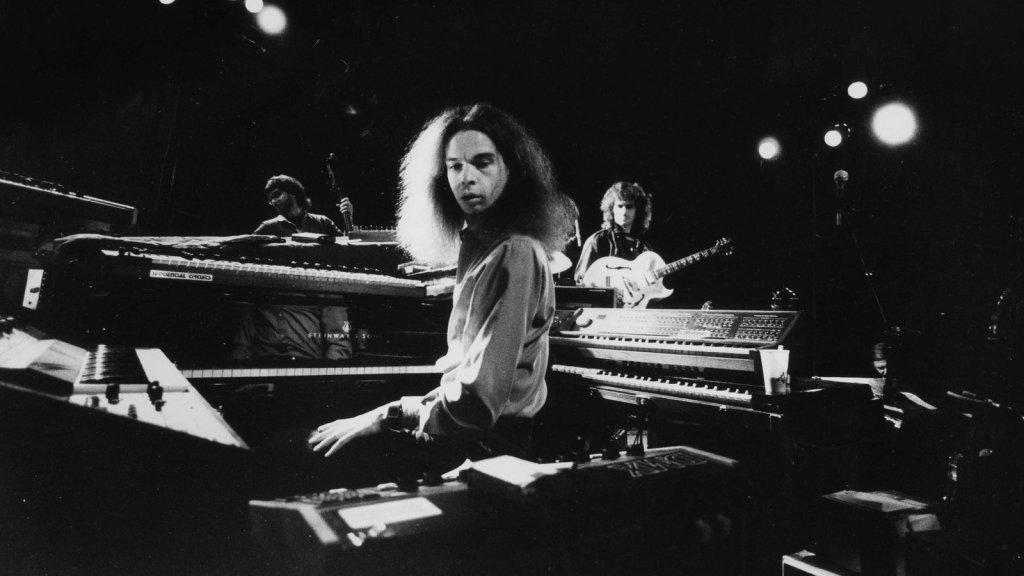
Secondly, Allan Holdsworth has influenced my (mainly early) music a bit, but I think the resemblance is tenuous, at best. His IOU album is very much my favourite, followed closely by Secrets, Wardenclyffe Tower and The Sixteen Men Of Tain. Harmonically his music is fabulous and, interestingly, not as complex as most people think. He works very ‘moment to moment’ in his compositions with a lot of parallel harmony going on. And he has a very intuitive approach – always following his ear. Of course, his distaste for ‘functional’ harmony is legendary and he has his own method of scalic structure which makes for a very ‘anti-traditional’ approach. Very liberating to musicians, but perhaps a bit too outré for some people out there!
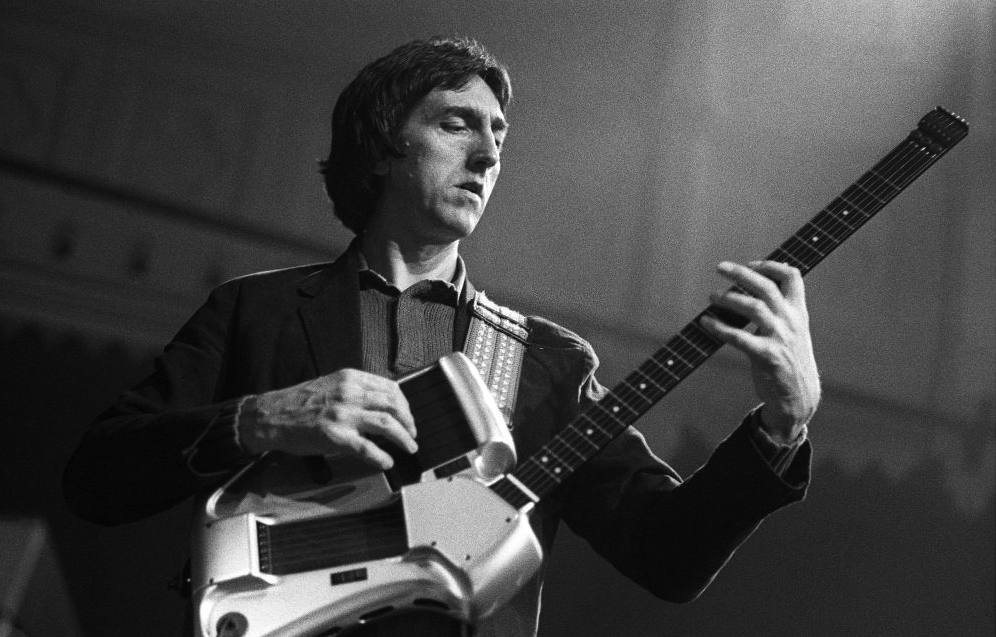
My other jazz influences, in brief: Steve Topping (his album Late Flower is a classic), Oregon, Weather Report (Shorter/Zawinul), Kazumi Watanabe, John Scofield, Steve Khan’s Eyewitness, Lee Ritenour, Steve Morse Band…
I would then site Rush and The Police as the two main rock groups that have had a particular affect on the JIB style (the music you get in your teens really does stay with you for the rest of your life!). Alex Lifeson used a lot of 7th, 9th and suspended chords in his style (as did Andy Summers) but it was Lifeson’s soloing style that was really up my street. Lifeson is a great lead player, much better than he is given credit for and I love his passionate approach to his solos. I gather that a lot of them are ‘comps’ created by Geddy Lee and Neil Peart after Lifeson had done a number of passes. He would then have to go away and learn the solo for live work and often Lee and Peart would have constructed the solo without regard for where the notes were on the fretboard, making it a real challenge to learn!
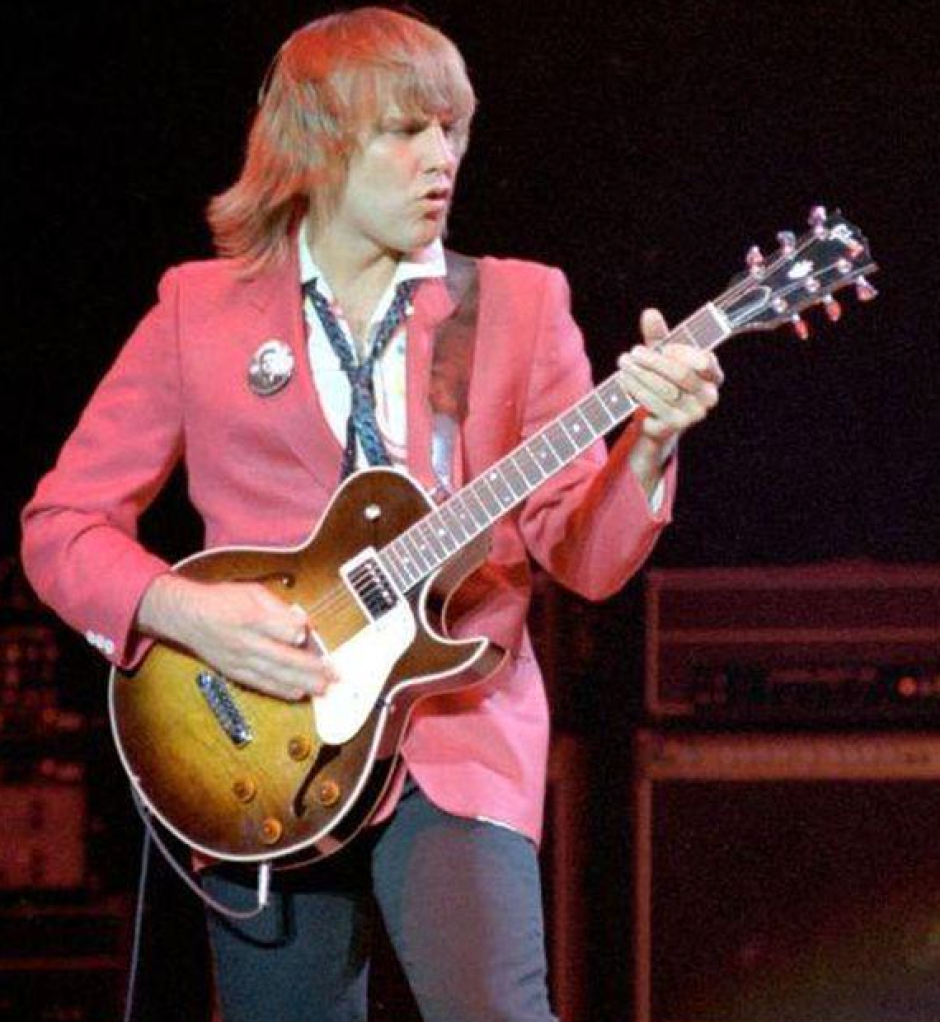
Of course, all the old favourites are there, too – to a greater or lesser degree: Vangelis, Yes, Genesis, Saga, UK come to mind – and so too a few prog metal groups like Enslaved and Pagan’s Mind.
Those are the main touching points for JIB. I think if you threw all of those bands into a musical blender you would come up with something that sounded like the John Irvine Band. Particularly the more recent releases.
So what’s next?
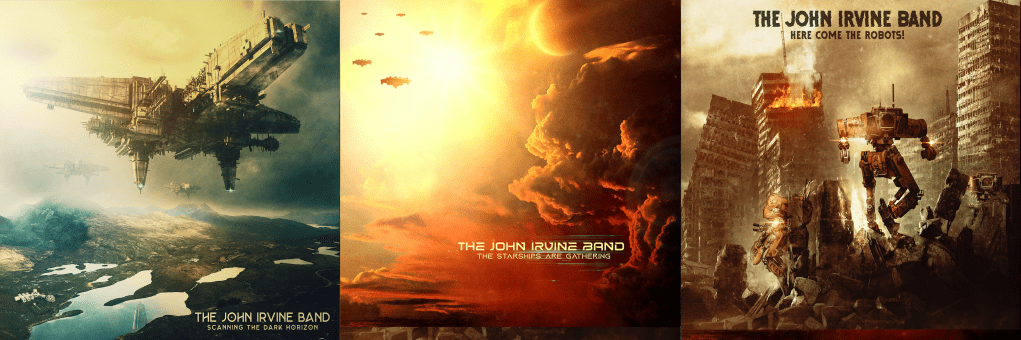
The new JIB album ‘Here Come The Robots!’ is a great addition to my discography. I think it is the most complete album I have done in terms of its vision and musical achievements. It completes the ‘End Of Days’ trilogy that I have been working on for the past 3-4 years, and I think represents my best work. Whenever I feel the urge listen to my music it is usually one of these three discs that I will choose. Though I am partial to Psychopomp, too. I think Calum McIntyre played a blinder on that one – as have all my drummers on the various albums they appear on.
I no longer think of my albums as being ‘guitar-based’, they haven’t been since my 4th album ‘The Machinery Of The Heavens’, and ‘HCTR!’ is no exception. Though I have had some critics remark that the decreased amount of guitar content over the past few albums is a dissappointment, but I would much rather have the variety of sounds that synths and keyboards give to the overall tonal palette, than keep on producing music that was solely based around the guitar. I also no longer write/compose using the guitar. I normally turn to the keyboard to start a piece. The range is wider and the chordal possiblities are much greater.
I have a similar approach with the bass guitar. I like to use synth bass a lot (and have had some criticism of this, too). I like to have complete control over the instruments I can play. Drums, no. I leave that to the professionals. But I like to vary the bass sound a lot in my music and this is only possible by using synthesizer bass. There is regular electric bass on my albums, just not a lot of it.
I should perhaps add to this that many of my favourite albums use synth bass: Jack DeJohnette’s classic Parallel Realities (w/ Hancock & Metheny), Stevie Wonders’ early 70s albums, Gary Wright’s Dream Weaver, the whole Vangelis catalogue and virtually all 80s pop/funk like The System, Scritti Politti etc. I even took it upon myself to contact Steve Khan about his two albums with Rob Mounsey (Local Color and You Are Here) that use programmed drums and bass. I asked him if he felt that it was an issue that these parts weren’t ‘live’. He said: “Sometimes sacrifices need to be made, however painful they may be, just to get the music out there.” I thought this was a wonderful observation and a great example of being pragmatic during the process of creating something. Being an ‘idependent’ musician certainly has some drawbacks, but if you can use what you have in creative ways, and it still sounds good, then why not?
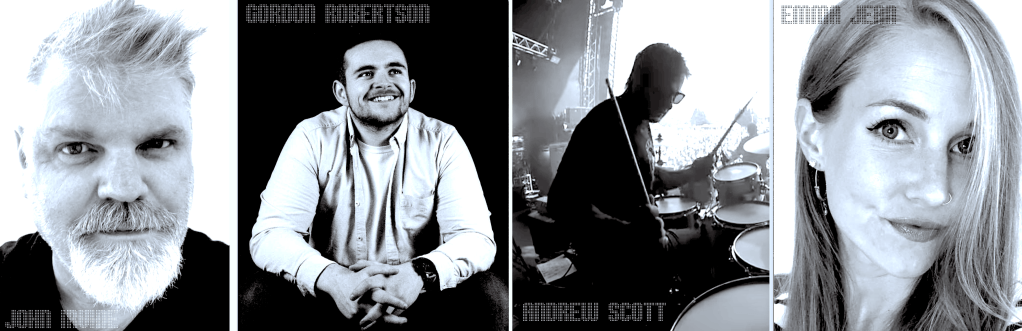
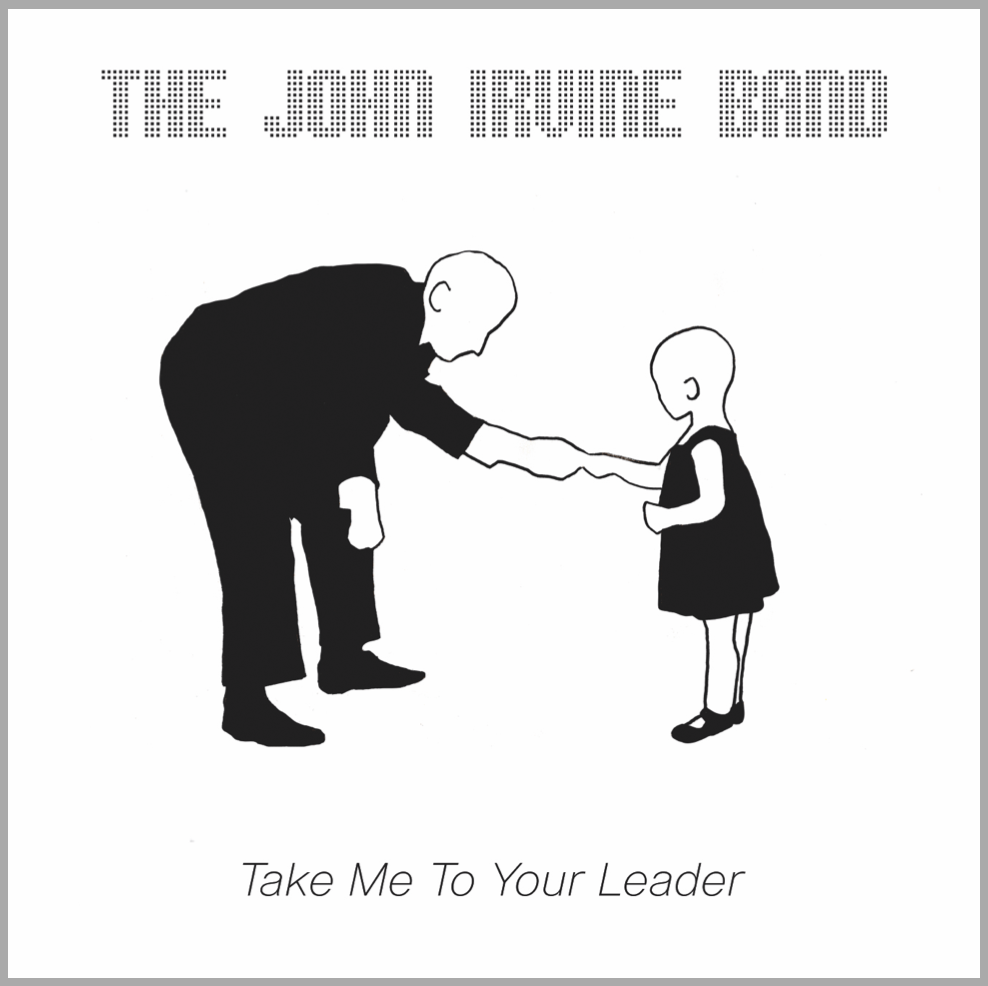
What else? Well, coming up in 2026 is my first all-vocal album. I have been working with the Glasgow-based vocalist Gordon Robertson on an album called Take Me To Your Leader. It’s an album that pulls together a lot of my influences from prog-pop music: Buggles, 10cc, Supertramp et al and really amps it up with sprinklings of humour that all of those bands utilise. And clearly there is a Zappa influence to some of it. It is a VERY exciting project and one that I hope will bring some new fans to JIB. I know that some people have a natural aversion to instrumental music and this is an attempt to make JIB a bit more universal. The album is also right up there with my best work in terms of quality, maybe even better, who knows!
After that, well, I have a lot of music on the hard drive that is completed or near completion. I like the way Steve Morse does his albums: some instrumentals, some vocal tunes. He is a very underrated songwriter (as is Eric Johnson, another favourite of mine, who is known primarily as a guitarist) and that is an idea I will probably undertake on my next few albums. You could say: ‘All the right songs are there, but not necessarily in the right order!’ (with apologies to Andre Previn).
Well, if you’ve got this far, thank you for reading and don’t forget to visit https://thejohnirvineband.bandcamp.com/ if you’d like to check out the back catalogue.
JKI (Jan 2025)
 JOHNIRVINE.CO.UK
Leave a comment